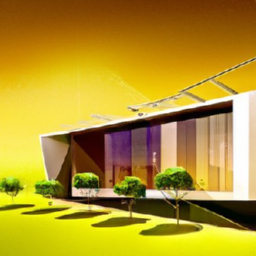
Bioclimatic architecture is a design approach that takes into consideration the local climate conditions to create sustainable and energy-efficient buildings. While it is suitable for all climates, the specific strategies employed may vary. In hotter climates, the focus is on maximizing shade and ventilation to keep the building cool, whereas in colder climates, the emphasis is on maximizing solar gain to provide warmth. By tailoring the design to meet the specific needs of each climate, bioclimatic architecture offers a promising solution for creating comfortable and environmentally-friendly spaces worldwide.

Hot Climates
When designing for hot climates, maximizing shade and ventilation are key considerations. By strategically placing shading devices such as awnings, sunshades, or trellises, you can minimize direct sunlight and heat gain, keeping the interior of the building cool. Planting trees or using tall structures as windbreakers can also create a shaded microclimate.
Ventilation is crucial in hot climates to promote airflow and reduce the reliance on mechanical cooling systems. Designing for natural ventilation involves incorporating features such as operable windows, louvers, or ventilated facades. These features allow for cross-ventilation and the removal of hot air, ensuring a cooler indoor environment.
In addition to shade and ventilation, using sustainable materials can contribute to a more comfortable and energy-efficient building in hot climates. Opt for materials with high thermal mass, such as concrete or earth, as they can help regulate indoor temperatures by absorbing and releasing heat slowly.
To adapt to extreme heat events, it is essential to consider incorporating passive cooling strategies, such as evaporative cooling or night purging. These methods leverage natural processes to cool the building without relying heavily on energy-intensive air conditioning systems.

Cold Climates
For cold climates, maximizing solar gain and providing insulation are essential to ensure a comfortable and energy-efficient building. Orienting the building to capture the sun’s warmth is crucial, and this can be achieved by positioning windows and glazing towards the south to maximize solar heat gain during the colder months.
Insulation is vital in cold climates to prevent heat loss and maintain a consistent indoor temperature. By using materials with excellent insulation properties, such as fiberglass, cellulose, or foam, you can minimize heat transfer through walls, roofs, and floors.
Designing for thermal mass is another consideration in cold climates. Utilizing materials with high thermal mass, such as stone or concrete, can absorb and store heat during the day and release it slowly at night, helping to regulate indoor temperatures.
Using sustainable heating systems, such as geothermal heat pumps or solar thermal systems, can significantly reduce energy consumption and carbon emissions in cold climates. These systems harness renewable energy sources to provide heating while minimizing reliance on fossil fuels.
Preventing heat loss is crucial in cold climates, and this can be achieved by eliminating thermal bridges, ensuring airtightness, and using high-performance windows and doors. Proper insulation and sealing of the building envelope will help maintain a warm and comfortable interior.
Humid Climates
Managing excess moisture is a primary concern in humid climates to prevent issues such as mold and mildew growth. Proper ventilation and moisture control measures, such as dehumidifiers and exhaust fans, can help remove excess moisture from the indoor environment. Additionally, using materials that are resistant to moisture damage, such as ceramic tiles or stainless steel, can help mitigate the risks associated with high humidity.
Enhancing natural ventilation is essential in humid climates to promote airflow and prevent the buildup of stagnant air. Design strategies that facilitate cross-ventilation, such as operable windows and atriums, can help maintain a comfortable and healthy indoor environment.
In areas prone to tropical storms, designing for high wind loads and rain infiltration is crucial. Incorporate features such as storm shutters, impact-resistant windows, and elevated foundation systems to mitigate the risks associated with these extreme weather events.
Choosing rust-resistant materials is vital in humid climates due to the increased exposure to moisture. Opt for materials such as aluminum, stainless steel, or treated wood that can withstand the corrosive effects of humidity.
Arid Climates
Water conservation is a top priority in arid climates, where water scarcity is common. Design strategies to minimize water consumption include installing efficient plumbing fixtures, such as low-flow toilets and faucets, and utilizing greywater recycling systems. Additionally, incorporating rainwater harvesting systems can help capture and store rainwater for non-potable uses, such as irrigation.
Harnessing desert winds can aid in cooling buildings in arid climates. By strategically locating openings or implementing wind towers and chimneys, you can facilitate airflow and promote natural cooling through the Venturi effect.
Creating thermal buffer zones is crucial in arid climates to protect the building from extreme temperature fluctuations. Incorporating elements such as atriums, courtyards, or covered walkways can serve as transitional spaces that shield the interior from the harsh external conditions.
Integrating rainwater harvesting systems is essential in arid climates to capture and utilize scarce precipitation. By collecting rainwater and storing it for later use, you can reduce dependence on external water sources.
Designing for sandstorms is a unique consideration in arid climates. Employing windbreak walls, using durable exterior finishes, and implementing effective filtration systems can help safeguard the building from sand and dust infiltration.
Mild Climates
In mild climates, striking a balance between energy efficiency and comfort is crucial. Designing for seasonal variations entails considering both summer and winter conditions. By carefully selecting building materials, insulation levels, and shading devices, you can adapt to the changing climate throughout the year.
Incorporating passive solar design principles can optimize energy efficiency in mild climates. This involves leveraging the sun’s warmth during the colder months and minimizing heat gain during the hotter months by using shading devices and proper orientation.
Optimizing natural ventilation is another key consideration in mild climates. By incorporating operable windows, breezeways, or stack ventilation systems, you can facilitate airflow and enhance indoor comfort without relying heavily on mechanical cooling systems.
Using renewable energy systems, such as solar panels or wind turbines, can significantly reduce reliance on fossil fuel-generated electricity in mild climates. These systems harness clean and sustainable energy sources to meet the building’s energy demand.
Mountainous Climates
Mountainous climates present unique challenges due to variations in altitude and weather conditions. Considering altitude effects is essential in these regions, as higher elevations may experience colder temperatures and harsher weather. Building designs and materials must account for these factors to ensure thermal comfort and structural integrity.
Minimizing heat loss in high elevations is crucial to maintain a comfortable indoor temperature. High levels of insulation, airtightness, and the use of energy-efficient windows are key considerations in mountainous climates to prevent heat transfer and reduce energy consumption.
Utilizing solar energy at higher altitudes can be more challenging due to the lower intensity of sunlight. However, by optimizing the orientation and angle of solar panels, it is still possible to harness solar energy and generate electricity or heat water, contributing to a sustainable energy source.
Designing for snow loads is vital in mountainous climates to ensure the structural integrity of buildings. Incorporating steeper roof slopes, using durable materials, and implementing proper snow removal strategies are essential to prevent damage from heavy snow accumulation.
Protecting against avalanches is a significant concern in mountainous regions with a high risk of snowslides. Structural design considerations, such as using avalanche-resistant materials and implementing protective barriers or deflectors, can help mitigate the risks associated with these natural hazards.
Coastal Climates
Addressing saltwater corrosion is crucial in coastal climates due to the corrosive effects of the salty air. Select materials that are resistant to corrosion, such as stainless steel or fiber-cement siding, and implement appropriate coatings or sealants to protect exposed surfaces.
Designing for sea level rise is a pressing concern in coastal regions due to the potential impact of climate change. Consider building at higher elevations or implementing flood-resistant design strategies, such as elevated foundations, flood barriers, or amphibious architecture, to mitigate the risks associated with rising sea levels.
Utilizing passive cooling strategies is essential in coastal climates to minimize reliance on mechanical cooling systems. By incorporating shading devices, natural ventilation, and reflective materials, you can reduce heat gain and maintain a comfortable indoor temperature.
Protecting against coastal erosion is vital to ensure the longevity and stability of buildings in coastal areas. Implement erosion control measures such as retaining walls, breakwaters, or vegetative buffers to prevent the loss of land and protect the building from the damaging effects of erosion.
Incorporating flood-resistant design is paramount in coastal climates prone to flooding. This involves elevating critical building systems, using water-resistant materials, and ensuring proper drainage and floodwater management to minimize damage and maintain occupant safety.
Temperate Climates
In temperate climates, utilizing natural ventilation is an effective strategy to maintain a comfortable indoor environment. By incorporating operable windows, vents, or skylights, you can leverage natural airflow and reduce reliance on artificial cooling or heating systems.
Optimizing daylighting is essential in temperate climates to enhance comfort and reduce the need for artificial lighting. Design strategies such as utilizing large windows, light shelves, and skylights can maximize natural light penetration, contributing to energy savings and a pleasant indoor environment.
Designing for regular rainfall requires effective rainwater management systems. Implementing proper gutter systems, rainwater storage tanks, and permeable surfaces can help collect and utilize rainwater efficiently while minimizing the risk of water damage or erosion.
Using biomimicry in architecture involves drawing inspiration from nature to solve design challenges. In temperate climates, this can mean incorporating features such as green roofs, which mimic natural ecosystems and provide thermal regulation, stormwater management, and aesthetic benefits.
Implementing green roofs can enhance sustainability in temperate climates. Green roofs consist of vegetation layers that provide insulation, reduce stormwater runoff, and contribute to biodiversity. This eco-friendly approach can improve the building’s energy efficiency and environmental performance.
Polar Climates
In polar climates, maximizing insulation is critical to counter extreme cold temperatures. The building envelope should be well-insulated, and attention should be given to insulation materials with high thermal resistance values, such as expanded polystyrene or mineral wool.
Designing for extreme cold requires careful consideration of factors such as wind exposure and ice buildup. Incorporating windbreaks, which can be achieved through strategic positioning of landscaping or structures, can help reduce heat loss and wind chill effect.
Using high-performance windows is essential in polar climates to minimize heat loss and maximize solar gain. Windows with low U-values and high solar heat gain coefficients can improve thermal efficiency and contribute to overall energy savings.
Creating windbreaks is crucial in polar climates to protect buildings from harsh winds. Utilize natural barriers, such as trees or shrubs, or construct artificial windbreak walls to deflect wind and minimize the impact on the building’s envelope.
Implementing passive solar design principles in polar climates can help optimize energy efficiency and thermal comfort. By strategically positioning windows to capture solar heat gain and incorporating thermal mass, you can reduce the reliance on heating systems and harness the sun’s energy.
Tropical Climates
Designing for high humidity is essential in tropical climates to create a comfortable indoor environment. Proper insulation and moisture control measures, such as vapor barriers and dehumidification systems, can help prevent condensation and related issues.
Utilizing shading and ventilation is a key strategy in tropical climates to reduce heat gain and promote airflow. Incorporate shading devices such as overhangs, awnings, or vegetation, and design for natural ventilation through cross-ventilation or stack effect to maintain thermal comfort.
Protecting against heavy rainfall is crucial in tropical climates prone to frequent rainstorms. Implement proper drainage systems, slope the land to prevent water accumulation, and use water-resistant materials to minimize water damage and maintain the structural integrity of the building.
Creating resilient structures is essential in tropical climates to withstand extreme weather events like hurricanes or typhoons. Incorporate reinforced building systems, impact-resistant windows and doors, and strong roof structures to enhance the building’s resilience.
Promoting indigenous building techniques in tropical climates can provide sustainable and culturally appropriate design solutions. Traditional methods such as natural ventilation strategies, using locally sourced materials, and incorporating vernacular architecture can help create buildings that are well-adapted to the local climate and context.