Throughout this article, we will explore the question of whether bioclimatic architecture is difficult to maintain. We will discuss the key principles of bioclimatic design and how they contribute to sustainable and energy-efficient buildings. Additionally, we will examine the potential challenges and considerations that come with maintaining bioclimatic buildings, such as the need for ongoing monitoring and adaptation to changing climate conditions. By the end of this article, you will have a better understanding of the maintenance requirements and benefits of bioclimatic architecture. Bioclimatic architecture is a design approach that takes into account the local climate and environment to create buildings that are comfortable, energy-efficient, and sustainable. By using natural resources such as sunlight, wind, and water, bioclimatic buildings can significantly reduce their reliance on fossil fuels and artificial energy sources. However, this unique design approach also brings along its own set of maintenance challenges. In this article, we will explore the various intricacies of maintaining bioclimatic architecture and understand the importance of regular maintenance in order to ensure long-term sustainability and cost-effectiveness.
Understanding Bioclimatic Architecture
Before delving into the maintenance challenges, let’s first establish a clear understanding of what bioclimatic architecture entails. Bioclimatic architecture is all about designing buildings that maximize the use of natural resources and minimize their environmental impact. It takes into consideration factors such as solar radiation, wind patterns, and local climate in order to create structures that are efficiently ventilated, well-insulated, and naturally lit.
Principles of Bioclimatic Architecture
The principles of bioclimatic architecture revolve around utilizing natural resources to achieve thermal comfort and reduce energy consumption. This involves incorporating features such as passive solar design, natural ventilation systems, and green roofs/walls. These features help regulate temperature, moisture levels, and air quality in the building, resulting in reduced energy usage and improved occupant comfort.
Benefits of Bioclimatic Architecture
Bioclimatic architecture offers numerous benefits, both environmental and economic. By reducing reliance on artificial energy sources, bioclimatic buildings contribute to lower carbon emissions and help combat climate change. Additionally, these buildings can significantly lower energy costs, leading to long-term savings for the occupants. The use of natural lighting and ventilation also enhances the overall well-being and productivity of the occupants.

Maintenance Challenges of Bioclimatic Architecture
While bioclimatic architecture offers numerous advantages, it also presents unique maintenance challenges. Let’s explore some of the key challenges faced in maintaining these sustainable buildings.
Weather Sensitivity
Bioclimatic buildings are designed to be highly responsive to weather conditions, which means they can be more sensitive to extreme heat, cold, humidity, and rainfall. This increased sensitivity requires constant monitoring and adjustments to maintain optimal temperature and moisture levels within the building.
Regular Monitoring and Adjustments
Due to the reliance on natural resources, regular monitoring and adjustments are necessary to ensure the effective functioning of bioclimatic features. This involves monitoring energy usage, inspecting and maintaining natural ventilation systems, and adjusting solar panels and passive solar features as needed. Regular analysis and fine-tuning are essential to optimize performance.
Integration of Sustainable Practices
In addition to the specific maintenance requirements of bioclimatic features, the overall integration of sustainable practices also poses a challenge. This includes the maintenance of green roofs and walls, management of rainwater harvesting systems, and the upkeep of natural lighting and daylighting strategies. Proper maintenance of these sustainable features is crucial to maintain their functionality and preserve the overall energy efficiency of the building.

Weather Sensitivity
One of the major challenges faced in maintaining bioclimatic architecture is dealing with the sensitivity of these buildings to weather conditions. Due to their design approach, bioclimatic buildings are more susceptible to the effects of extreme heat, cold, humidity, and rainfall.
Effects of Extreme Heat and Cold
Bioclimatic buildings are designed to naturally regulate the temperature inside the building by harnessing solar energy and optimizing insulation. However, extreme heat and cold conditions can pose challenges in maintaining comfortable temperature levels. In excessively hot climates, additional cooling strategies may need to be implemented, such as shading devices or efficient air conditioning systems. Similarly, in cold climates, proper insulation and heating systems need to be in place to prevent heat loss.
Impact of High Humidity and Rainfall
High humidity levels and heavy rainfall can also impact the performance of bioclimatic features. Excessive moisture can lead to mold growth, degradation of materials, and reduced indoor air quality. Regular inspections and maintenance routines are essential to prevent moisture-related issues and ensure optimal performance of ventilation systems, moisture barriers, and drainage systems.
Managing Temperature and Moisture Levels
Maintaining optimal temperature and moisture levels within bioclimatic buildings requires continuous monitoring and adjustments. This involves using data-driven techniques to analyze energy consumption trends, identifying areas of inefficiency, and making informed decisions on system adjustments or upgrades. Regular monitoring and adjustments are necessary to ensure that the building is functioning at its maximum energy efficiency.
Regular Monitoring and Adjustments
Regular monitoring and adjustments play a crucial role in the maintenance of bioclimatic architecture. This involves proactive measures to ensure optimal performance of various systems and features within the building.
Monitoring Energy Usage
Monitoring energy usage is a critical aspect of maintaining bioclimatic buildings. By collecting and analyzing energy consumption data, facility managers can identify patterns, inefficiencies, and opportunities for improvement. This data-driven approach enables them to make informed decisions on energy-saving measures, system upgrades, and equipment replacements.
Inspecting and Maintaining Natural Ventilation Systems
Natural ventilation is a key feature of bioclimatic architecture, providing fresh air circulation and reducing the need for mechanical ventilation systems. Regular inspections and maintenance of natural ventilation openings, window systems, and louvers are essential to ensure their proper functioning. Any blockages or damaged components should be addressed promptly to avoid compromised indoor air quality.
Adjusting Solar Panels and Passive Solar Features
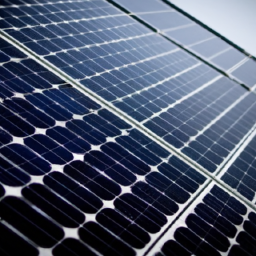
Solar panels and passive solar features require regular adjustments to ensure optimal performance. This includes cleaning the panels to remove any dirt or debris that may hinder their efficiency, as well as repositioning them to capture maximum sunlight. Regular inspections and maintenance routines help identify any potential issues and ensure that the solar energy systems are operating at peak efficiency.
Integration of Sustainable Practices
Bioclimatic architecture is deeply rooted in sustainable practices, and the maintenance of these sustainable features is crucial to ensure the continued performance of the building.
Maintenance of Green Roofs and Walls
Green roofs and walls are important components of bioclimatic architecture, contributing to improved insulation, air quality, and biodiversity. However, proper maintenance is essential to prevent the accumulation of debris, weed growth, and pest infestation. Regular inspections, irrigation, and pruning are necessary to preserve the health and functionality of these green features.
Management of Rainwater Harvesting Systems
Rainwater harvesting is another key sustainable practice in bioclimatic architecture. Regular maintenance of rainwater collection systems, including filtration, storage tanks, and distribution networks, is vital to prevent clogging, microbial growth, and system malfunctions. Ensuring water quality and availability requires continuous monitoring and periodic maintenance.
Upkeep of Natural Lighting and Daylighting Strategies
Natural lighting and daylighting strategies are integral to bioclimatic buildings, providing energy-efficient illumination and enhancing occupant comfort. Regular maintenance of windows, skylights, and shading devices is necessary to ensure unobstructed daylight penetration and optimal light distribution. Cleaning of windows and inspection of shading devices help maintain their effectiveness in managing solar heat gain and glare.
Training and Expertise Requirements
Maintaining bioclimatic architecture requires specialized skills and continuous training to ensure that the unique features and systems within these buildings are properly understood and managed.
Specialized Skills for Bioclimatic System Maintenance
Bioclimatic features such as natural ventilation systems, solar panels, and green roofs/walls require specific knowledge and expertise to maintain effectively. Facility managers and maintenance staff need to be trained in the operation, maintenance, and troubleshooting of these systems to ensure their longevity and optimal performance.
Continuous Training for Staff
Given the evolving nature of sustainable practices and technologies, continuous training is essential to keep maintenance staff up-to-date on the latest advancements in bioclimatic architecture. This helps them understand the intricacies of the building systems and equips them with the necessary skills to perform regular maintenance tasks effectively.
Engaging Professional Consultants
In some cases, engaging professional consultants or experts in bioclimatic architecture may be necessary to ensure the proper maintenance and performance of the building. These consultants can provide guidance on system optimization, energy management, and overall building performance, helping to address any complex maintenance challenges that arise.
Cost Considerations
Maintaining bioclimatic architecture involves both upfront and long-term cost considerations. Let’s explore the financial aspects of maintaining these sustainable buildings.
Initial Investment for Bioclimatic Architecture
The initial investment for bioclimatic architecture may be higher compared to conventional building designs. The integration of sustainable features such as solar panels, natural ventilation systems, and green roofs/walls can incur additional costs during the construction phase. However, it is important to consider this as an investment in long-term energy savings and environmental benefits.
Long-Term Cost Savings
While the upfront costs may be higher, bioclimatic architecture offers significant long-term cost savings. By reducing energy consumption and reliance on artificial energy sources, these buildings can lead to substantial savings in utility bills over time. Additionally, the improved durability and longevity of sustainable building materials can result in reduced maintenance and repair costs.
Balancing Upfront Expenses and Future Maintenance Costs
When considering the cost-effectiveness of bioclimatic architecture, it is crucial to strike a balance between upfront expenses and future maintenance costs. Proper planning, regular maintenance, and effective energy management strategies can help minimize long-term maintenance costs and maximize the return on investment.
Case Studies of Successful Maintenance
Examining case studies of well-maintained bioclimatic buildings can provide valuable insights into the best practices and benefits of regular maintenance.
Examples of Well-Maintained Bioclimatic Buildings
One such example is the Beddington Zero Energy Development (BedZED) in the United Kingdom. This sustainable housing development incorporates a range of bioclimatic features, including heat recovery ventilation systems, passive solar design, and rainwater harvesting. Regular monitoring and adjustment of these features have resulted in reduced energy consumption and carbon emissions, making BedZED a successful example of maintained bioclimatic architecture.
Benefits and Best Practices Learned
Maintaining bioclimatic architecture offers various benefits, including improved energy efficiency, reduced environmental impact, and enhanced occupant comfort. Best practices learned from successful case studies include proactive monitoring, data-driven decision-making, and regular inspections and maintenance routines. Engaging building occupants in sustainable practices and providing education and resources can also contribute to successful maintenance outcomes.
Lessons from Failed Maintenance Attempts
Examining failed maintenance attempts can provide valuable lessons on the consequences of neglecting regular maintenance in bioclimatic buildings. Buildings that lack proper maintenance may experience decreasing energy efficiency, compromised indoor air quality, and costly repairs or replacements of building systems. These lessons emphasize the importance of understanding and addressing the unique maintenance challenges of bioclimatic architecture.
Importance of Regular Maintenance
Regular maintenance plays a vital role in preserving the energy efficiency, performance, and sustainability of bioclimatic buildings. Let’s explore the reasons why regular maintenance is crucial.
Preserving Energy Efficiency and Performance
Regular maintenance ensures that bioclimatic features and systems are functioning optimally, helping to maintain energy efficiency. Well-maintained buildings can continue to benefit from reduced energy consumption and cost savings, contributing to long-term sustainability goals.
Avoiding Costly Repairs and Replacements
Neglecting regular maintenance can lead to costly repairs or replacements of building systems, components, or features. By addressing minor issues early on through regular inspections and adjustments, facility managers can avoid significant repairs and minimize the financial burden associated with major system failures.
Ensuring Buildings Align with Sustainable Goals
Bioclimatic architecture is designed to align with sustainable goals, including reduced energy consumption, lower carbon emissions, and enhanced occupant well-being. Regular maintenance is essential to uphold these goals and ensure that the building continues to operate in an environmentally responsible manner.
Conclusion
Maintaining bioclimatic architecture presents unique challenges, but with the proper training, regular monitoring, and integration of sustainable practices, these challenges can be effectively managed. Regular maintenance ensures the long-term sustainability and cost-effectiveness of bioclimatic buildings. By proactively addressing weather sensitivity, conducting regular monitoring and adjustments, and integrating sustainable practices, bioclimatic architecture can continue to deliver comfortable, energy-efficient, and sustainable buildings. Regular maintenance is the key to unlocking the full potential of bioclimatic architecture and maximizing its benefits for both the occupants and the environment.